Are you looking at a Costa Mesa property and wondering which improvements will truly move the needle? You are not alone. Investors here want clear, practical ways to boost value without overbuilding. In this guide, you will find proven value-add plays, local permitting basics, realistic cost ranges, and a simple walkthrough checklist you can use on your next site visit. Let’s dive in.
Why Costa Mesa rewards smart upgrades
Costa Mesa sits in a desirable Orange County corridor, which means buyers and renters respond quickly to clean, modern, and functional homes. You do not always need a full gut to compete. Well-executed cosmetic updates, refreshed kitchens and baths, and curb appeal often deliver strong results. For the right lot, an ADU can add income and long-term value, although it comes with more cost and complexity.
High-ROI value-add plays
Cosmetic refreshes
A whole-house interior repaint, updated lighting, new hardware, deep cleaning, and targeted flooring replacement can transform the feel of a property. Typical costs: interior paint runs about $2,000 to $8,000, lighting and hardware upgrades often land between $500 and $5,000, and new flooring is roughly $6 to $12 per square foot for laminate or vinyl plank and $8 to $18 per square foot for engineered hardwood, installed. These fast-turn touches often recoup a large share of cost and help listings sell or rent faster. Choose this route if your budget is modest or your hold time is short.
Kitchen updates
Kitchens are still top value drivers. A minor refresh, like painting or refacing cabinets, new countertops, new appliances, and a backsplash, typically costs $8,000 to $25,000. A midrange remodel where you replace cabinets and counters but keep the layout often ranges from $30,000 to $80,000. Full remodels with layout changes and higher-end finishes can run $80,000 to $200,000 or more. In Costa Mesa, buyers tend to value open flow, durable materials, and a cohesive, modern look.
Bathroom updates
Bath upgrades usually punch above their weight in buyer appeal. A minor bath refresh can be $5,000 to $15,000, while a midrange remodel typically runs $15,000 to $40,000 per bath. High-end gut remodels exceed $40,000 per bath. Updated primary and main baths often support stronger pricing and smoother inspections.
Curb appeal and exterior
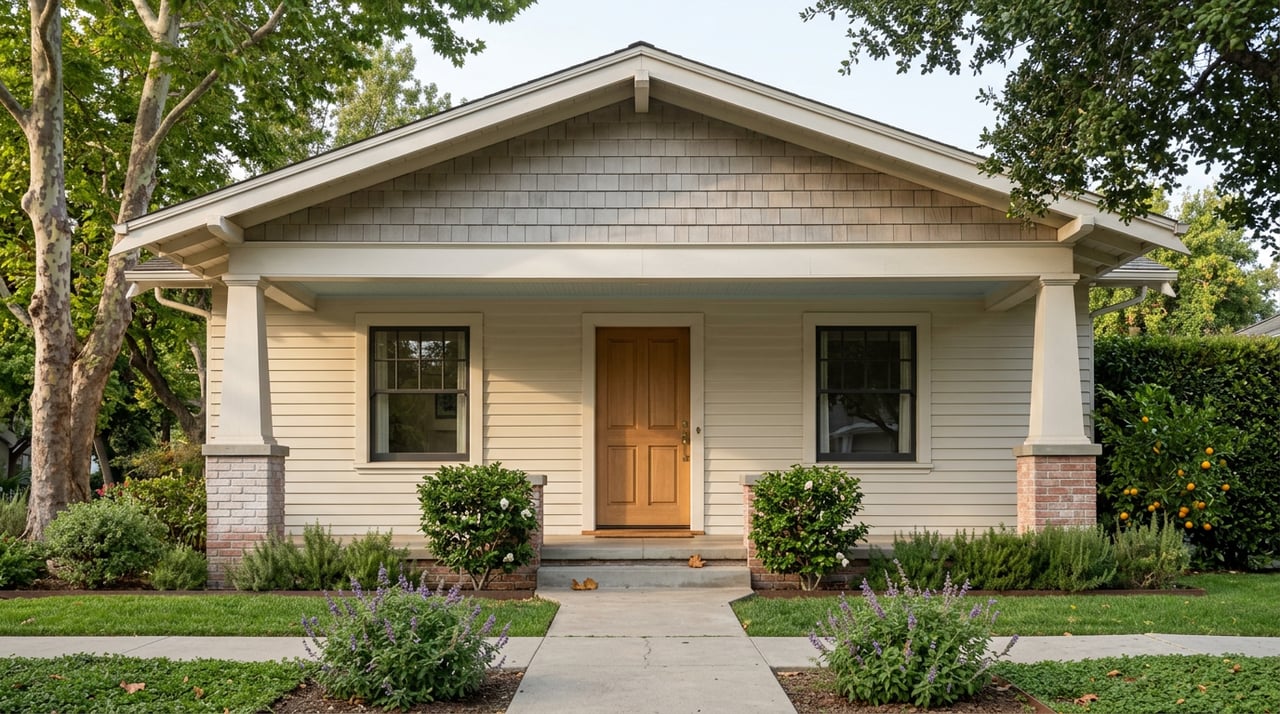
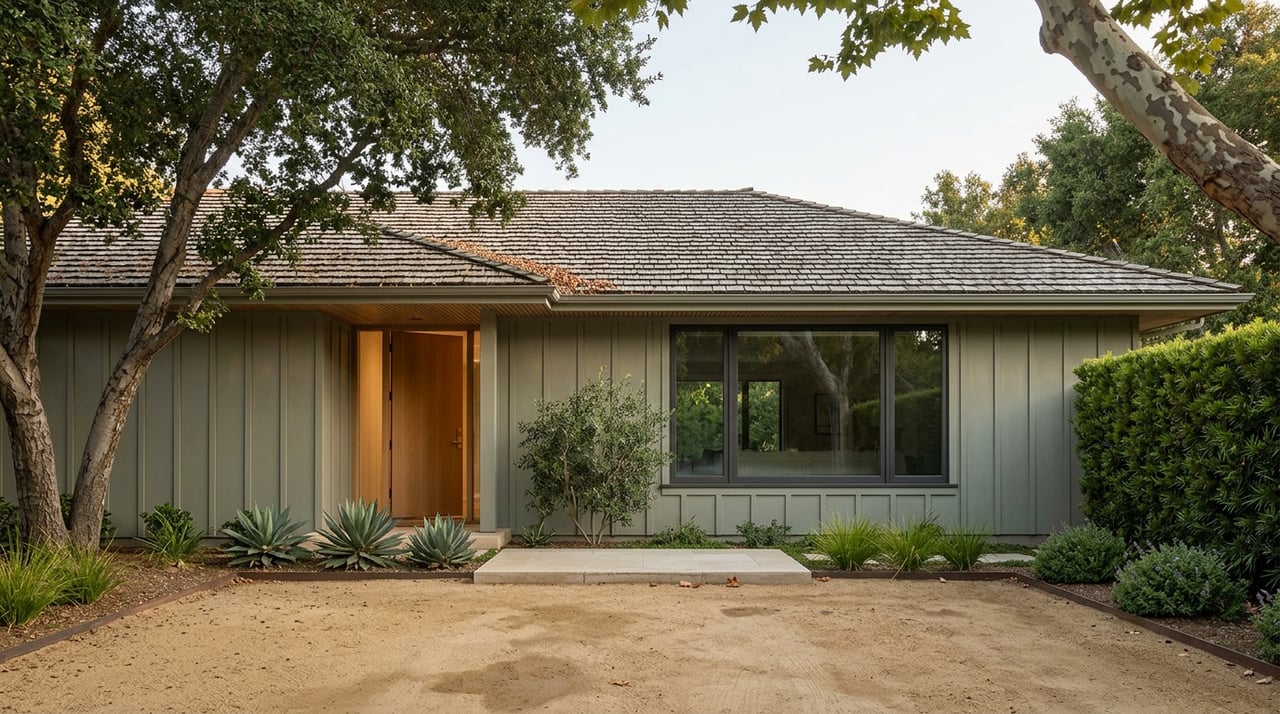
First impressions matter. Front yard updates, low-water landscaping, exterior paint, a new front door or garage door, and better lighting can lift perceived value quickly. Minor curb refreshes start around $2,000 to $10,000, while larger hardscape and landscape projects often run $10,000 to $50,000 or more. Drought-tolerant designs reduce upkeep, which is helpful for rentals and long-term holds.
Systems and deferred maintenance
Newer systems are not flashy, but they protect your sale price and leasing timeline. Typical costs include HVAC replacement at $5,000 to $12,000, water heaters at $800 to $3,000, panel upgrades at $2,000 to $6,000 or more, and roof replacement at $7,000 to $25,000 or more. These upgrades help you clear inspections, avoid credits at closing, and reduce maintenance calls for rentals.
ADUs and garage conversions
ADUs can add significant value and income potential. A garage conversion commonly ranges from $60,000 to $200,000 depending on scope and finishes. New detached ADUs of 500 to 800 square feet often cost $150,000 to $400,000 or more. Payback is tied to achievable rents and financing terms. Expect more permitting steps, utility checks, and site planning than other projects, so plan for a longer timeline.
Condos and small-lot considerations
For condos and townhomes, value-add often centers on in-unit updates like kitchens, baths, flooring, and lighting. Exterior changes and ADUs are typically limited by HOA rules and CC&Rs. Review HOA guidelines before you budget non-cosmetic work.
Permitting and timelines in Costa Mesa
What needs a permit
In Costa Mesa, structural changes, new framing, foundation work, added bathrooms or kitchens, electrical panel changes, new circuits, gas lines, many HVAC replacements, and roof replacements generally require permits. Cosmetic work like painting and carpet usually does not. Expect plan review, permit issuance, and inspections through the City’s Building Division for any multi-trade or structural project.
ADU rules at a glance
California requires cities to allow ADUs under objective standards when criteria are met. Costa Mesa applies state law within local zoning rules that address size caps, setbacks, lot coverage, height, and utility connections. Parking requirements are limited by state law in many situations, but local standards can still apply depending on your site and ADU type. Plan for life-safety requirements like egress and alarms, and confirm utility capacity early.
Energy and code must-knows
Permitted work in California must comply with Title 24 energy standards. That may include insulation requirements, efficient mechanical equipment, window performance, and water-efficient fixtures. Some multifamily work may trigger EV charging readiness or related measures. Build these items into your scope and budget to avoid surprises during inspections.
Timelines and fees
Simple permits can be secured in weeks when plans are straightforward. Larger remodels and ADUs often take several weeks to months due to plan check, corrections, and inspections. Permit and utility fees vary by scope and provider, so confirm with the City and local utilities during planning. A realistic approach reduces delays and change orders.
How improvements affect property taxes
Major improvements and new construction can affect assessed value. ADUs usually trigger supplemental assessments. Speak with the Orange County Assessor to understand how your specific scope will be treated so you can model holding costs accurately.
Build your budget and ROI
What to include in your budget
Account for hard costs like labor, materials, and specialty trades, as well as soft costs like permits, design, engineering, and connection fees. Include carry costs such as mortgage, taxes, insurance, utilities, and HOA dues during construction or vacancy. Add contingency at 10 to 20 percent for typical remodels and 15 to 25 percent or more for older homes or ADUs. Do not forget financing costs such as interest and points if you use renovation or construction loans.
Prioritize by your strategy
- Selling quickly at the top of the market: focus on cosmetic refreshes, kitchen facelifts, curb appeal, and strong presentation.
- Increasing rent and cash flow: prioritize kitchens and baths, add a bedroom or bath where feasible, update systems for low maintenance, and evaluate ADU potential.
- Long-term appreciation: invest in durable upgrades like roofs, HVAC, and ADUs that elevate gross rent and long-term value, even if payback takes longer.
Quick ROI math you can use
- Start with all-in cost: hard, soft, contingency, carry, and financing.
- For a resale, compare expected sale price uplift to the total cost to estimate return.
- For a rental, estimate incremental monthly rent, multiply by 12, and compare against cost for a simple payback period. You can also apply a gross rent multiplier based on comparable local deals. Keep conservative assumptions for vacancy and management.
Financing and insurance notes
Owner-occupants may consider renovation-focused loans in addition to cash or standard financing. Construction loans and cash-out refinancing are options for larger projects and ADUs, subject to lender rules. Notify your insurer before major work begins and confirm coverage for construction phases. Update your policy once improvements are completed to reflect current replacement costs.
Walkthrough checklist for investors
Pre-walk preparation
- Pull 3 to 5 recent comps and any current listings to understand buyer expectations and rent levels.
- Review the plat map, lot size, and zoning to flag setback or coverage limits.
- If ADU potential is a goal, review the city’s ADU checklists and standards for the parcel type.
Exterior checks
- Roof age and condition, signs of leaks.
- Siding and paint condition.
- Front door, entry path, lighting, and garage door condition.
- Landscaping water needs and visual appeal.
- Driveway and walkway condition and safety.
Interior checks
- Flooring condition and repair or replacement needs.
- Wall and ceiling surfaces for paint readiness.
- Kitchen layout, cabinet condition, counters, appliances, and plumbing.
- Baths: fixtures, tile, ventilation, and signs of leaks.
- Mechanical systems: HVAC age, water heater, electrical panel capacity, gas lines.
- Evidence of deferred maintenance like moisture stains or termite activity.
- Natural light and floor plan flow for possible open-up opportunities.
ADU feasibility quick checks
- Garage footprint and ceiling height if considering a conversion.
- Rear yard area, access, and likely setback envelope for a detached ADU.
- Sewer and water access and potential capacity upgrades.
- On-site parking context if any local standards apply to your scenario.
- Any historic or special overlays that may affect design or review.
Red flags that can hurt ROI
- Structural damage or significant termite or moisture issues.
- Asbestos or lead in older homes, which can increase costs.
- Non-permitted DIY work that will need correction under permit.
- HOA or CC&R restrictions that limit exterior or ADU options.
What to deliver after the walkthrough
- A prioritized scope list split into Cosmetic, Functional/Systems, and Major items like an ADU.
- A draft order of operations and rough cost ranges with contingency.
- Identified permit triggers and a list of required submittals.
- Next steps: gather 3 or more contractor bids, initiate permit applications, schedule termite and roofing inspections, and refine comps.
Local execution tips
Get the right bids
Solicit multiple bids with a clearly defined scope and finish schedule. Confirm that your contractor is licensed and experienced with Costa Mesa permitting. Assign responsibility for pulling permits and managing inspections in the contract. Tie payment draws to milestones and inspections, and secure warranty terms in writing.
Sequence your project
Handle systems and structural items first, then kitchens and baths, then paint and flooring, and wrap with fixtures and curb appeal. This protects finished surfaces and helps you pass inspections on schedule. Order long-lead materials early to keep your timeline on track.
Present for maximum value
Well-executed presentation is a value-add in itself. Thoughtful staging, quality photography, and a clean, cohesive finish help buyers and renters connect with the property. Pair cost-controlled improvements with strong marketing to highlight the upgrades and lifestyle they enable.
Ready to plan a value-add that fits your goals and timeline? Connect with the Teicheira Team for a construction-literate consultation and a tailored plan to maximize returns.
FAQs
Do cosmetic updates in Costa Mesa need permits?
- Interior painting and similar surface-only work typically does not require a building permit. Electrical, plumbing, mechanical, roof, and structural work usually does.
What are typical ADU costs and timelines locally?
- Garage conversions commonly range from $60,000 to $200,000. Detached ADUs of 500 to 800 square feet often run $150,000 to $400,000 or more. Plan for 60 to 180 days or longer for design, plan check, and inspections depending on complexity and backlog.
How will an ADU affect my property taxes?
- Adding an ADU is new construction and can affect assessed value. Contact the Orange County Assessor for how your scope will be treated and to plan for supplemental assessments.
What contingency should I carry for remodels?
- Budget 10 to 20 percent for typical projects. Older homes or ADUs often warrant 15 to 25 percent or more due to unknowns.
Should I gut the kitchen or do a targeted facelift?
- Many investors see better risk-adjusted returns from targeted updates like countertops, cabinet refacing, and appliances, unless your comps clearly show buyers expect a full gut at your price point.
What upgrades help rentals perform better?
- Focus on durable finishes, updated kitchens and baths, efficient systems that reduce maintenance, and curb appeal. Consider an ADU if your lot and zoning allow and the rents justify the cost.