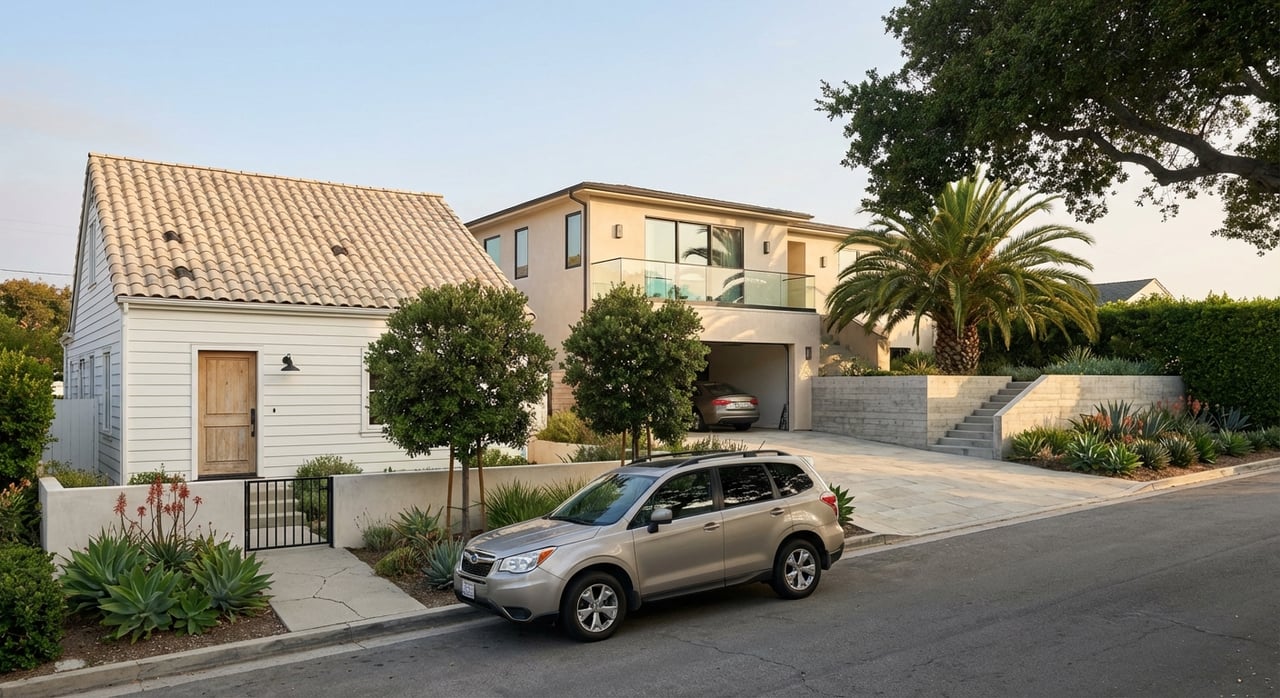
Torn between a lock-and-leave cottage near the action and a hillside home with sweeping ocean views? You’re not alone. In Corona del Mar, many buyers weigh the Village’s walkable lifestyle against the Hills’ privacy, lot size, and vistas. This guide breaks down the tradeoffs so you can choose the neighborhood that fits your routine, design goals, and long-term plans. Let’s dive in.
Village vs. the Hills at a glance
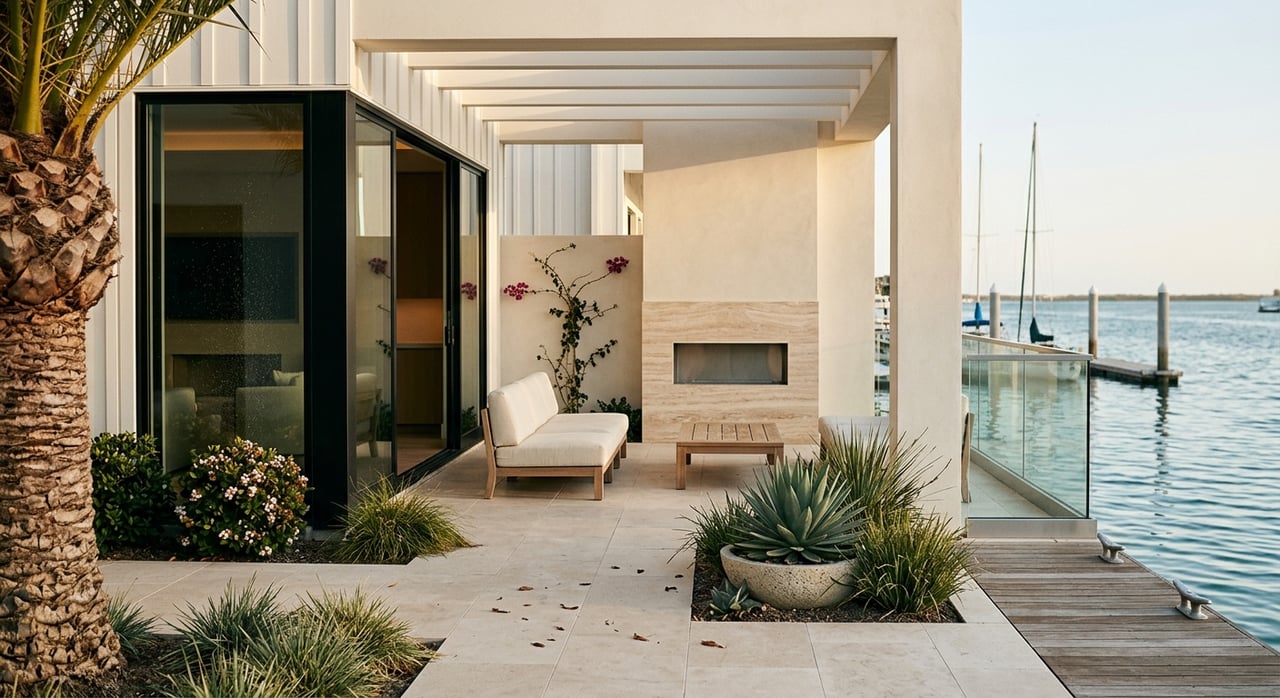
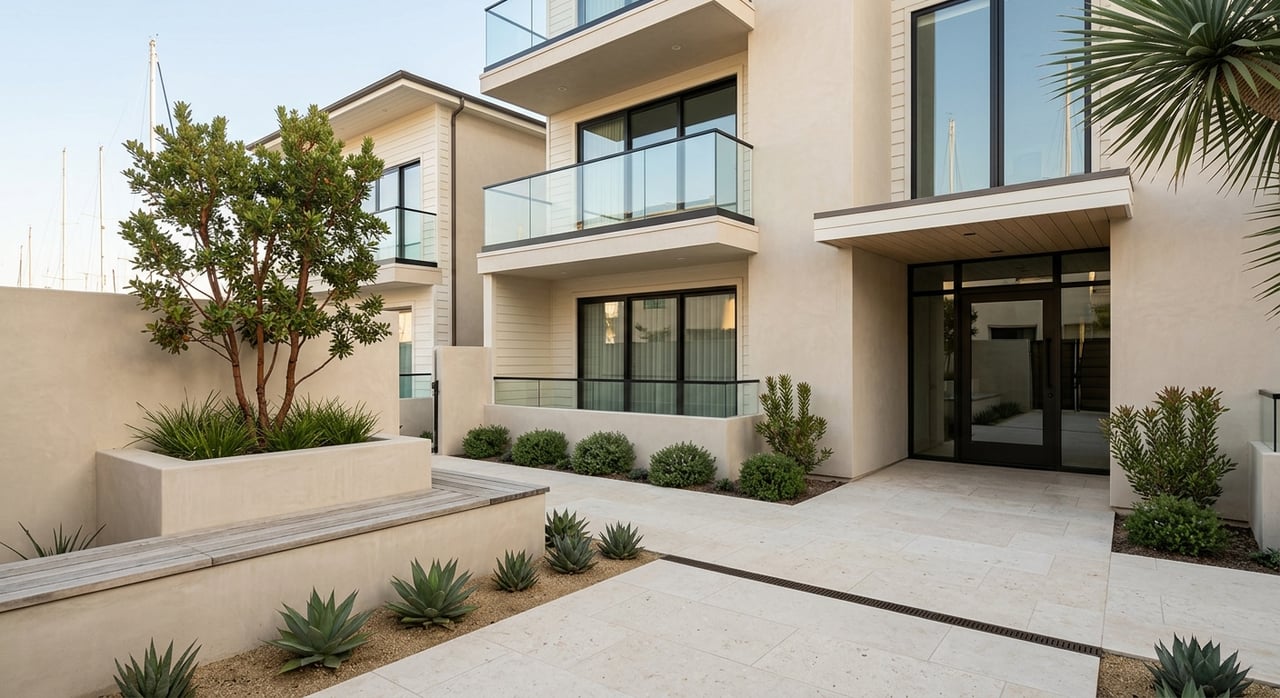
- Village: Walk-to-everything lifestyle near Pacific Coast Highway, compact lots, charming cottages and infill townhomes, lively street scene.
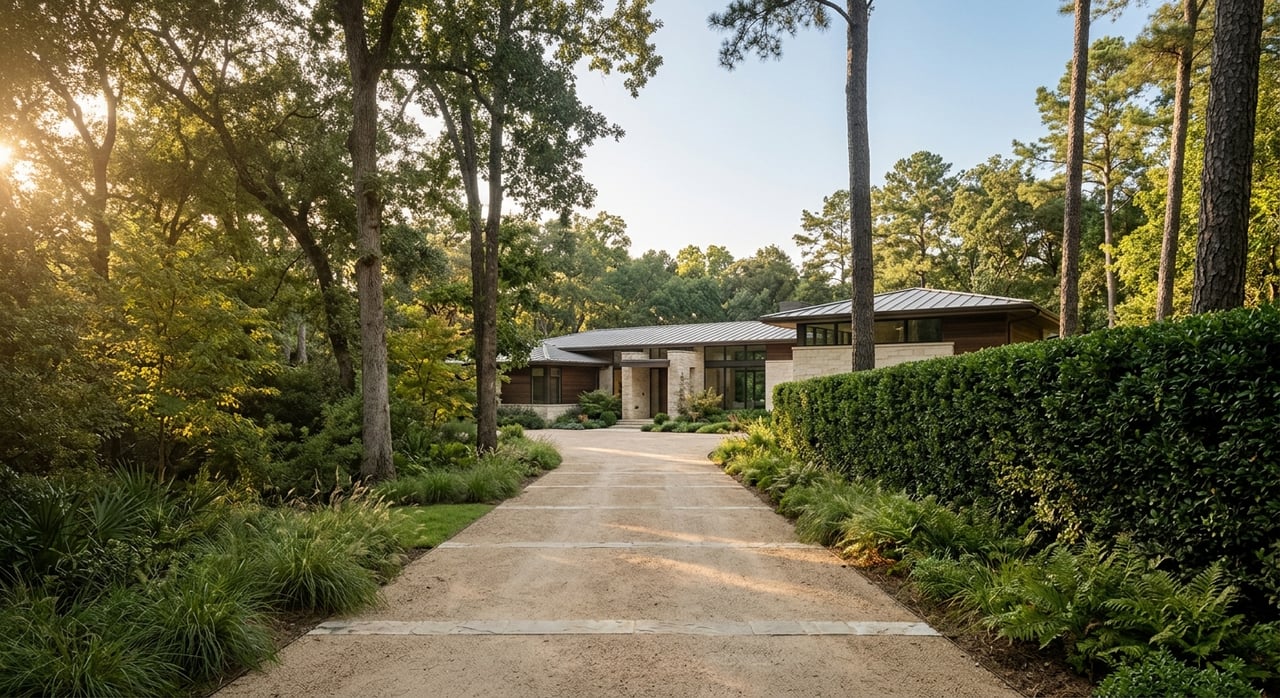
- Hills: Larger lots and custom homes, multi-car garages and yards, elevated ocean and harbor views, more privacy and quiet.
- Budget: Citywide measures vary by data source, but recent snapshots place Corona del Mar within a broad range around $3.9 million to $5.1 million. Hillside view homes often command a premium over Village cottages and duplexes.
- Remodel plans: Hillside parcels may require coastal development review and technical studies. Village rebuilds are shaped by small-lot zoning and setback rules.
What locals mean by “the Village” and “the Hills”
The Village definitions and character
In local terms, the Village is the walkable core along Pacific Coast Highway with the surrounding Flower Streets. For exact neighborhood context, use the Corona del Mar Residents Association’s helpful Village map and divisions. Housing here includes original beach bungalows, rebuilt cottages, and infill condos or townhomes.
Lots are typically smaller than hillside parcels. Many Village lots fall in the roughly 3,000 to 6,000 square foot range, with some wider Flower Street lots on select blocks. That compact footprint is part of the charm and helps deliver the day-to-day convenience buyers want near shops, restaurants, and the beach.
The Hills: Harbor View Hills and Spyglass
Directly above the Village sit Harbor View Hills and Spyglass. These areas are defined by elevation and outlooks. Local guides highlight Harbor View Hills for its proximity to the Village and positioning for harbor, ocean, and Catalina views. For a deeper feel, see this Harbor View Hills neighborhood spotlight.
Spyglass Hill and Spyglass Point sit at the north end with many custom homes on terraced lots. View corridors are a key value driver, and parcels often run larger than Village properties. For an overview of homes and lot character, explore this Spyglass Hill community page.
Lot size and home types
Village parcels and housing stock
Typical Village parcels are compact. The small-lot pattern allows for charming cottages, duplexes, and new-build townhomes woven into the neighborhood fabric. If you enjoy lower-maintenance outdoor space and fast daily access to dining, boutiques, and the beach, a Village lot may be ideal.
City zoning and development standards shape what you can rebuild or add, including setbacks and floor-area rules. If you are planning a renovation, review the City’s residential code framework to understand what is feasible on a given parcel. You can scan Newport Beach’s code chapters via this zoning and development standards reference.
Hillside parcels and custom potential
The Hills generally buy you more land and more flexibility. Many lots run 7,500 square feet and up, with Spyglass properties frequently exceeding 10,000 square feet. Homes often include multi-car garages, more privacy, and floor plans designed to capture views.
If your vision includes a generous yard, pool, or a larger single-level footprint, hillside parcels offer more horizontal space. The tradeoff is that you will likely rely on a short drive for errands and beach days rather than a quick stroll.
Views, elevation, and what to verify
Corona del Mar sits on the seaward face of the San Joaquin Hills. The elevation change from the Flower Streets to the terraces above creates the view corridors that make Harbor View Hills and Spyglass so compelling. For geographic context, see the Corona del Mar overview.
Views are valuable but not automatically protected. Unless a recorded view easement or covenant exists, neighboring redevelopment can affect sightlines. Before you make an offer based on a view, confirm any recorded easements, ask your agent to review recent and pending permits on adjacent lots, and understand local height overlays. For perspective on why views are a durable but negotiated premium, read this CdM views advisory.
Coastal permitting and rebuild timelines
Many hillside parcels fall within the California Coastal Zone. New homes, substantial additions, bluff or retaining work, and certain drainage or foundation projects may require a Coastal Development Permit through the City’s Local Coastal Program. Some actions are appealable to the California Coastal Commission, which adds steps and time.
If you plan to remodel or rebuild, budget for geotechnical studies, coastal review timelines, and added soft costs. As a starting point, this overview of Coastal Development Permits in Corona del Mar outlines common triggers and process tips. Practical next steps include confirming whether the address lies within coastal jurisdiction, requesting prior CDP records from the seller, and lining up a geotechnical engineer early.
Parking, access, and daily living
Village lifestyle and parking realities
The Village is built for walkability. You can head out for coffee, dinner, or the Saturday farmers market without getting in the car. That convenience comes with tighter parking. Small driveways, tandem garages, and high visitor demand near Pacific Coast Highway make street parking a daily consideration.
The City actively manages commercial-village parking because of beach and visitor traffic. Expect time limits on some blocks and paid public lots for beach access. For an at-a-glance view of how the City approaches parking in commercial villages like CdM, review Newport Beach’s commercial villages parking studies.
Hillside convenience and capacity
Hillside homes are more likely to include 2 to 3 car garages, driveways, and private parking courts. Streets can be steeper or narrower in spots, but most homes provide more off-street capacity than the Village. You will typically drive a few minutes for errands, dining, and beach days, trading doorstep walkability for space and privacy.
Commute and connectivity
Most Corona del Mar residents rely on cars for daily trips. As a baseline, Newport Beach’s mean travel time to work is about 23.9 minutes, according to the American Community Survey. From CdM, off-peak drives to John Wayne Airport often run around 10 to 20 minutes. Trips to Irvine employment centers are commonly 10 to 20 minutes depending on your route and traffic.
If commute timing matters, test your exact route during your typical hours. The State Route 73 toll road can materially change drive times in peak periods.
Pricing and what drives value
Market measures vary across data providers and by whether you look at average home values, median list prices, or recent solds. As a directional frame, Zillow’s index placed Corona del Mar’s average home value near about $3.9 million in late 2025. Vendor medians commonly show higher figures for active listings. You can review a current snapshot via Zillow’s CdM home values.
Across market cycles, hillside properties with strong ocean, harbor, or Catalina views tend to command higher prices per square foot than many Village homes. The premium reflects larger lots, privacy, and those vistas. Village properties trade that space for daily convenience, fast beach access, and an easygoing lock-and-leave lifestyle. Your best value often comes from matching the home’s strengths to your routine.
Which neighborhood fits you?
Choose the Village if you want:
- Walk-to-everything convenience near dining, shops, and the beach.
- A lower-maintenance lot and a lock-and-leave lifestyle.
- A charming cottage or townhome vibe woven into an active neighborhood.
Choose the Hills if you want:
- Larger lots with room for a pool, outdoor kitchen, or single-level living.
- Multi-car parking and more privacy.
- Elevated views and custom home potential.
Smart due diligence checklist
- Confirm parcel size, setbacks, and buildable area. Review city standards and have your agent pull recorded easements. The City’s code framework is summarized here: Newport Beach zoning and development standards.
- Verify whether any view protections exist. Unless a recorded easement is in place, views are not guaranteed. See insights on CdM view considerations.
- Ask about coastal permitting early. If the parcel sits in the coastal zone, plan for CDP steps and geotechnical work. Start with this CdM CDP overview.
- Test the parking and guest experience. Walk the block at different times and review the City’s commercial villages parking studies if you are comparing Village streets.
- Drive your commute at your commute time. Use the ACS 23.9-minute citywide average as context, then time your exact route.
Ready to explore homes?
If you are comparing a Flower Streets cottage to a Harbor View Hills or Spyglass view home, you do not have to choose blind. The Teicheira Team pairs neighborhood expertise with construction-savvy guidance so you understand lot potential, permitting paths, and value drivers before you buy. Let’s tour both lifestyles and find the one that fits.
FAQs
What is the key difference between Corona del Mar’s Village and the Hills?
- The Village offers walk-to-everything convenience on compact lots, while the Hills deliver larger parcels, more parking, and elevated ocean or harbor views.
Are ocean views in Harbor View Hills or Spyglass protected by law?
- Not by default; unless a recorded view easement exists, neighboring redevelopment can affect views, so verify easements and nearby permits before you buy.
How big are lots in the Village compared with the Hills?
- Many Village lots run roughly 3,000 to 6,000 square feet, while hillside parcels often start larger and can exceed 10,000 square feet in Spyglass.
What should I know about Village parking and beach access?
- Expect tight on-street parking near Pacific Coast Highway and managed public beach lots; review the City’s commercial-village parking studies for rules and options.
Will a hillside remodel likely require a Coastal Development Permit?
- Many hillside projects in the coastal zone do, especially new builds or major additions, so plan for CDP timelines and geotechnical studies.
How long is the commute from Corona del Mar to Irvine or John Wayne Airport?
- Off-peak drives often run about 10 to 20 minutes to both Irvine and SNA, with a Newport Beach citywide mean travel time of about 23.9 minutes as context.