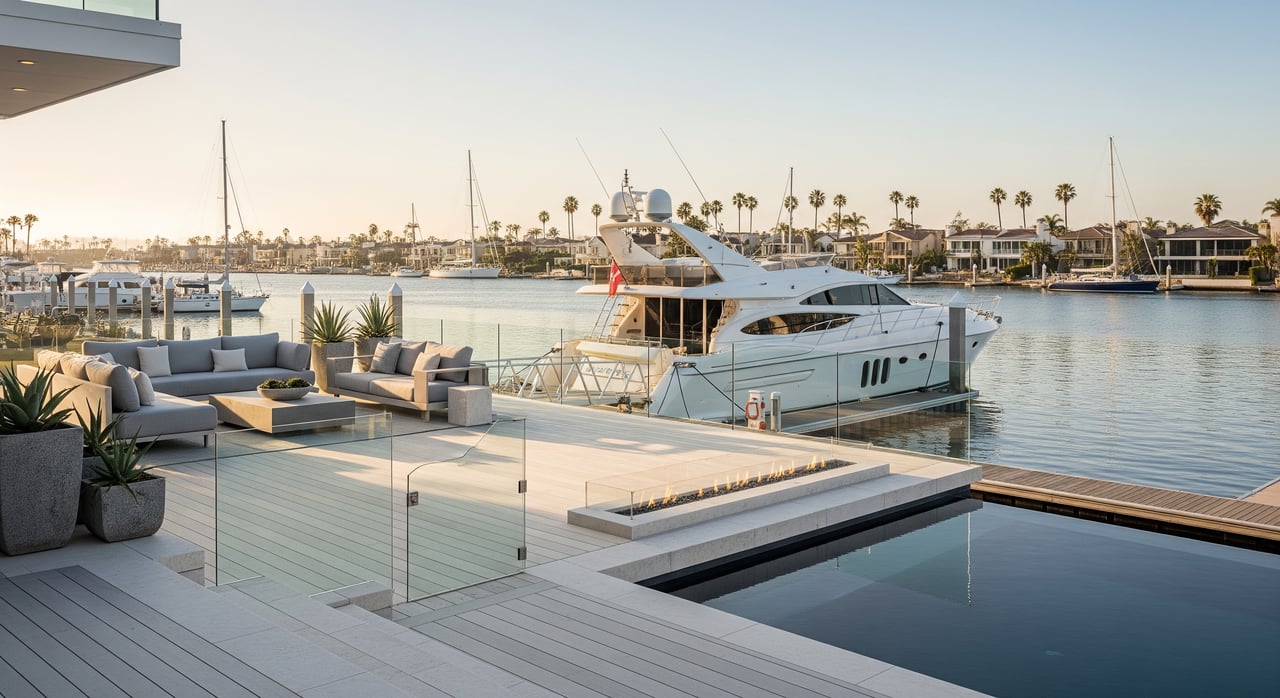
Imagine stepping from your living room onto a dock, watching the harbor wake up as paddleboards glide past and seabirds circle the channel. If you are weighing a move to Newport Harbor, you likely want that daily connection to the water while still keeping life practical and easy. This guide walks you through everyday realities, costs, rules, and the trade-offs so you can decide with confidence. Let’s dive in.
Newport Harbor homes defined
Harbor housing types
Newport Harbor includes the protected waterways between Balboa Peninsula, Lido Isle, Harbor Island, and the Newport Back Bay. You will find several home types:
- Bayfront homes with direct, open-water frontage. Lots are often larger with deeper water access.
- Canal or canal-adjacent homes on smaller channels that feed into the main harbor.
- Peninsula and island neighborhoods such as Balboa Island, Lido Isle, and Balboa Peninsula with a mix of cottages, single-family homes, and condos. Some have private docks, others use community marinas or public moorings.
- Condominium communities and private marinas with deeded or assigned slips.
Physical constraints to know
Navigational depth, bridge clearances, and channel width can limit boat size, especially on canals. Access to the ocean requires transiting the harbor mouth, where conditions shift with tide and weather. Docks and slips may be deeded to a property or controlled by an HOA or marina, which affects rights and transferability. Seasonal events like regattas and the Christmas Boat Parade increase boat and foot traffic, which can be part of the charm and also a planning factor.
For local rules, maps, and permitting, the City of Newport Beach provides guidance through its Harbor Services pages.
Daily life on the water
Boat access and slips
Slip options range from private, deeded docks to HOA-assigned slips and public or private marinas. Availability varies, and some marinas use waitlists. Costs differ for ownership, rentals, and memberships, and there may be separate charges for electricity, water, and pump-out. Routine boat care such as bottom paint, engine service, and haul-outs requires local boatyards and planning ahead during peak season. Tides, currents, and afternoon winds can influence small-boat handling near the harbor mouth. Harbor patrol and lifeguards operate locally, and posted rules and speed limits apply. You can review policies through City Harbor Services.
Walkability and transit
Island and peninsula neighborhoods tend to be very walkable to cafes, small groceries, and beaches, while inland Newport neighborhoods are typically more car-dependent. Tools like Walk Score help you compare blocks quickly. The Balboa Island Ferry offers foot and vehicle service across the channel, which adds character to short trips. Regional transit is limited, so most residents rely on cars for commuting. Parking is tighter in summer and during events, and some areas use resident permits.
Noise, privacy, and crowds
Expect the sound of boat engines, wake slap, ferry horns, and occasional marina maintenance. Summer weekends and holidays bring more people near commercial areas. Waterfront promenades and docks can reduce privacy when compared with inland homes set behind landscaping. Many harbor homes orient living rooms and patios to the water, which trades privacy for view and access.
Microclimate and amenities
Marine influence keeps temperatures milder, with morning and evening marine layer and higher humidity. Salt air affects exterior finishes and hardware. On the plus side, you are near restaurants, marinas, sailing clubs, and rentals for paddleboards or kayaks. Parks, beaches, and the pier add easy recreation.
Safety and emergency care
Newport Beach lifeguards, harbor patrol, and the fire department provide on-water and land-side response. Narrow island streets or event closures may slow ingress at times, so it helps to plan around major events. Learn more through the Newport Beach Fire Department and lifeguards.
Costs, insurance, and rules
Waterfront premiums and value
Waterfront and harbor-front homes usually carry a premium over inland homes. Values are sensitive to micro-location, lot size, condition, and especially slip rights. Deeded docks, channel depth, and views can meaningfully impact pricing. For the latest market figures, consult current, reputable market reports before you make a move.
Insurance and financing basics
Standard homeowner policies may not cover flood or certain marine-related risks. Many harbor buyers secure flood insurance through the National Flood Insurance Program and sometimes purchase excess flood coverage. Lenders may require flood insurance and will consider seawall condition, elevation, and any claim history during underwriting. Salt air can increase corrosion-related maintenance, which can drive claims if not managed.
You can check parcel flood exposure on the FEMA Flood Map Service Center.
Maintenance and capital items
Seawalls, docks, and related structures require periodic inspection and sometimes major repairs. Some communities share seawalls or assess through HOAs, so you will want to review CC&Rs and any planned assessments. Dredging is occasionally needed to maintain channel depth, and public projects can affect navigation for short periods. The U.S. Army Corps of Engineers Los Angeles District publishes public notices on harbor maintenance.
Day to day, expect more frequent exterior painting, metal hardware replacement, deck and dock upkeep, and diligent ventilation for moisture control.
Permits and coastal agencies
The City of Newport Beach permits docks, slips, and seawall work, and some projects require review under the California Coastal Act. Larger shoreline changes may involve state agencies or Coastal Commission consistency checks. HOA rules and recorded easements can limit boat size, dock use, rental rules, and guest policies. It is critical to confirm whether slip rights are deeded or revocable before you write an offer.
Flooding and sea-level rise
Some harbor parcels are within FEMA flood zones, and even outside mapped zones you can see nuisance flooding during king tides and storms. Long-term buyers should consider sea-level rise projections and local adaptation planning. Explore high-level scenarios with the NOAA Sea Level Rise Viewer and review city planning resources as you evaluate investments.
Lifestyle fit and trade-offs
Best-fit buyers
- Active boaters who value fast, private access and care about slip rights.
- Buyers who want a walkable coastal lifestyle and are comfortable budgeting for maintenance and insurance.
- Downsizers or empty nesters who prioritize views and water-based social life.
Possible downsides
- Higher maintenance and more complex insurance.
- Seasonal crowds, event noise, and tighter parking near commercial zones.
- Regulatory constraints for waterfront structures and potential future rules tied to sea-level rise.
Seasonality and events
Summer and holidays bring more activity and energy on the water and streets. Off-season is usually quieter. Annual highlights like the Christmas Boat Parade and regattas create focused bursts of traffic and noise that many residents consider part of the harbor’s culture.
Buyer checklist and steps
Use this quick list as you tour homes and review disclosures:
- Dock and slip specifics: deeded versus HOA or leased, dimensions, depth at mean low tide, and any boat size limits.
- Structural history: seawall and dock maintenance, repair dates, and any pending assessments.
- Insurance: current homeowner and flood premiums, lender requirements, and any special marine coverage.
- Permits and easements: recorded public access, rights-of-way, or unresolved permits; compliance with city and coastal rules.
- Flood and elevation: elevation certificate, FEMA zone, and any nuisance flooding history.
- Parking and storage: garage capacity, resident permits, guest parking, and space for boards, kayaks, or gear.
- Neighborhood rhythm: typical summer traffic patterns, major events, and noise levels by micro-location.
If you are comparing walkability across neighborhoods, tools like Walk Score can help ground your expectations. For harbor rules, maps, and permits, rely on the city’s Harbor Services. For flood risk and long-term projections, check FEMA’s mapping center and the NOAA Sea Level Rise Viewer.
Day-to-day living tips
- Morning routine: plan around marine layer and cooler mornings; afternoons often bring a sea breeze that cools inland heat.
- Deliveries and trash: expect tight streets in some island areas. Confirm service schedules and package drop-off logistics.
- Boat care calendar: book maintenance early for peak season; keep a checklist for anti-fouling and engine service.
- Gear management: use lockers and racks for boards and kayaks; confirm HOA rules on visible storage.
- Event planning: keep an eye on harbor calendars for races and parades so you can plan parking and guests.
Local experts by your side
Harbor living rewards buyers who verify the details: slip rights, seawalls, insurance, and local rules. You deserve guidance that blends local knowledge with construction and marketing expertise. If you want help vetting a property’s dock, seawall, or renovation potential, or you are planning a premium sale strategy, the Teicheira Team is here to guide you. Request a Home Valuation or Auction Consultation and move forward with confidence.
FAQs
Do Newport Harbor homes always include a boat slip?
- Not always. Confirm if the slip is deeded, HOA-assigned, or leased, and verify dimensions and depth before closing.
Are canal homes suitable for larger boats in Newport Beach?
- Often no. Canal depth and bridge clearances can limit boat size. Check measurements and dredging history for each property.
Will I need flood insurance for a harborfront home?
- Possibly. It depends on the FEMA flood zone and lender requirements. Review your parcel on the FEMA Flood Map Service Center.
How busy does it get during Newport Harbor events?
- Summer weekends and major events like the Christmas Boat Parade bring more traffic and noise near commercial areas. Many island streets also see tighter parking.
Who responds to emergencies on the harbor in Newport Beach?
- Newport Beach lifeguards, harbor patrol, and the fire department handle on-water and land-side incidents. Learn more through the Fire Department pages.
Thinking about buying or selling in Newport Beach? Explore our Newport Beach real estate guide for neighborhood insights and homes for sale, or connect with the Teicheira Team, your local Newport Beach realtors.