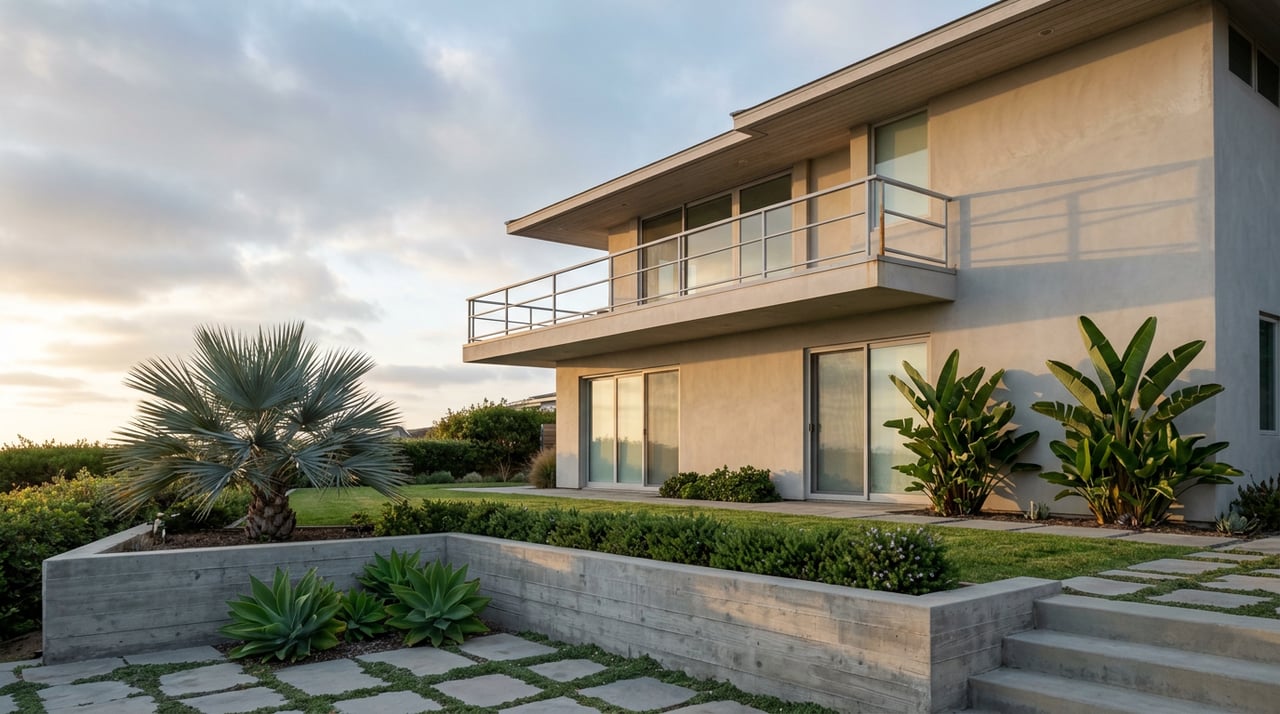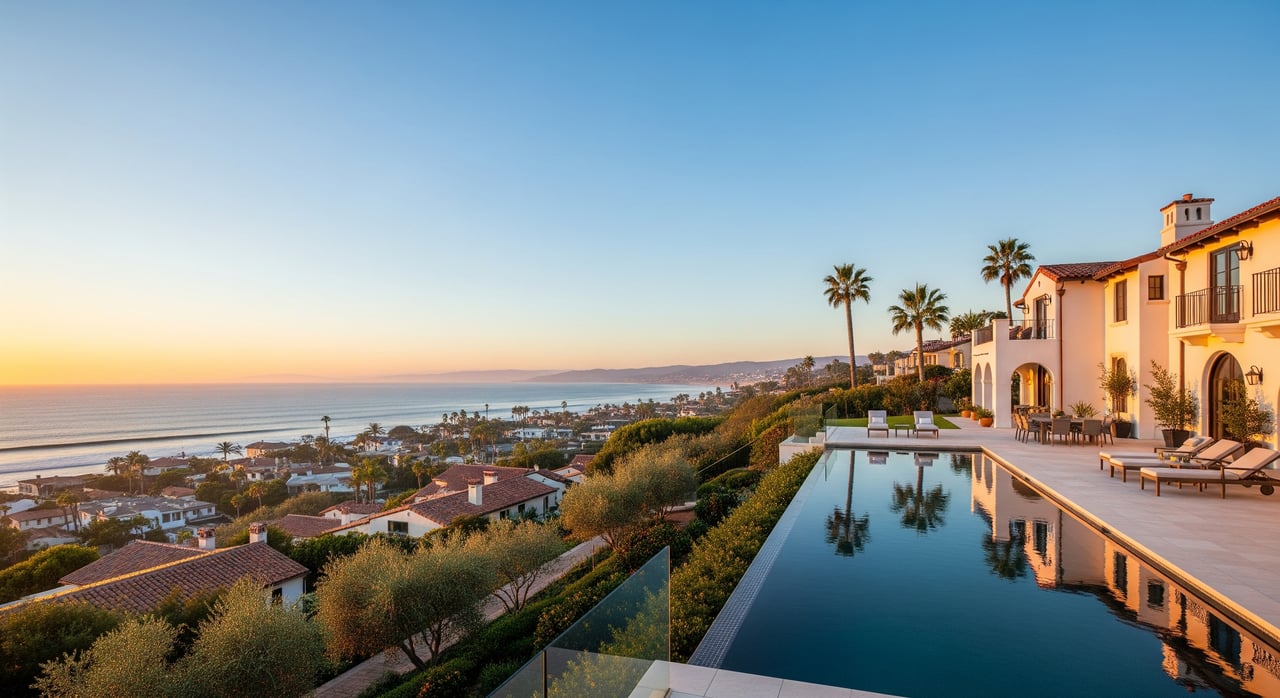
Why do two San Clemente homes, only a few blocks apart, vary by six or even seven figures? If you are weighing oceanfront or bluff-top against inland, you already know the answer is not just “location.” It is view quality, access to the sand, bluff condition, HOA amenities, and renovation level working together. In this guide, you will learn how each factor moves price, how to build a clean comp set, and what to do next as a seller or buyer. Let’s dive in.
San Clemente coastal pricing at a glance
San Clemente is a mature coastal market with limited true oceanfront parcels, strong lifestyle demand, and a clear regulatory environment. Scarcity of bluff-front lots and buyer preference for unobstructed ocean views create meaningful premiums over inland homes. At the same time, coastal rules and physical risks can limit what you can build and how lenders and insurers respond.
To understand those limits, start with the city’s coastal framework. The City of San Clemente Local Coastal Program and the California Coastal Commission guide what is permissible near the shoreline. Their standards, combined with site conditions, shape value by affecting rebuild potential, improvements, and long-term marketability.
What drives the price gap
View corridors
Daily, unobstructed ocean views command top premiums because they are visible, permanent-feeling amenities. Partial, angled, or seasonal views are still valuable but trade at smaller uplifts, especially if future development might block them.
Typical adjustment guidance:
- Full unobstructed ocean view: +10% to +40%
- Partial or angled ocean view: +5% to +15%
- No view: baseline
These ranges are illustrative. Always validate with recent closed comps in your micro-location.
Beach access
Direct, private beach access delivers convenience and privacy that many buyers prioritize. Easy public access adds value too, though generally at a lower level. Longer walks or street crossings reduce the premium for lifestyle buyers.
Typical adjustment guidance:
- Direct private stairs or deeded access: +5% to +25%
- Easy public access nearby: +3% to +10%
- Limited or distant access: baseline
Bluff condition and hazards
Bluff-top settings bring natural beauty and geologic risk. Erosion, bluff retreat, and setback rules can affect rebuildability, permitting, and insurance. Active erosion or unclear mitigation often shrinks the buyer pool and triggers lender or insurer scrutiny. Current geotechnical reports and engineered stabilization can improve confidence and reduce discounts.
Typical adjustment guidance:
- Minor or managed bluff risk with reports: small or no discount
- Moderate concern or likely mitigation: -5% to -20%
- High risk or active erosion, uncertain permits: -20% to -50%
Risk tools to review include FEMA flood maps, the NOAA Sea Level Rise Viewer, the California Geological Survey, and Coastal Commission guidance.
HOA amenities and fees
In bluff-top condos and planned communities, HOAs that maintain access, elevators, parking, landscaping, and security add utility and convenience. Strong amenities can lift value, but high dues reduce affordability and may offset part of the premium. Always look at the net value after fees and any reserves or assessments.
Typical adjustment guidance:
- Excellent HOA-managed direct access: +5% to +15% net of fees
- High HOA fees with limited amenities: potential price drag
Renovation and condition
Move-in-ready homes with quality kitchens, baths, and systems attract broader demand and can sell faster. Permitted, documented upgrades typically return more value than unpermitted or purely cosmetic work. Renovation ROI varies by project and market expectations.
Typical adjustment guidance:
- Minor kitchen remodel: often recoups about 50% to 80% of cost
- Major, high-standards updates: can approach higher recovery rates if aligned with local coastal expectations
For project ROI benchmarks, see Remodeling Magazine’s Cost vs. Value Report and the National Association of Realtors research on buyer preferences.
Build comps the right way
Start with multiple closed sales in the immediate area and timeframe. Match for property type, lot position relative to the coast, size, bed-bath count, and age. Then adjust for the big five: view, access, bluff risk, HOA impact, and renovation level.
Follow this step-by-step framework:
- Define the micro-market. Example: single-family homes from the Pier Bowl to Calafia. Keep the geography tight.
- Pull 3 to 6 closed comps. Record sale date, price, view tier, access type, bluff proximity, HOA fees and amenities, renovation notes, lot size, and elevation.
- Normalize physicals. Adjust for living area using local $ per square foot, plus bedroom, bath, and lot size differences.
- Adjust for view. Create view tiers such as unobstructed ocean, full ocean, partial, peek, and no view. Apply consistent percent or dollar adjustments across comps.
- Adjust for access. Tier access as private deeded, HOA-managed direct, easy public, or distant. Apply a realistic uplift for closer access types.
- Adjust for bluff risk. Use geotechnical reports when available. If unknown, tier by proximity and signs of erosion and apply appropriate discounts.
- Account for HOA costs. Compare amenity benefits to dues and any assessments. Consider the monthly budget impact.
- Reflect renovations. Add value for permitted, high-impact work. Discount unpermitted items until corrected.
- Reconcile the range. Average your adjusted indicators, then weigh timeliness and property similarity.
- Sense-check against actives. Confirm that your range fits current asking premiums and buyer activity for oceanfront versus inland.
Quick percent method
- Compute baseline $ per square foot from inland comps.
- Apply example tiers: Full oceanfront premium, partial view uplift, and access premiums, minus any bluff risk and HOA cost drag.
- Add specific renovation value where supported.
Dollar-per-feature method
- Start with base price from size times local $ per square foot.
- Add dollars for view and access, subtract for bluff mitigation you reasonably expect, and add market-supported value for key upgrades.
- Reconcile with matched-pair comparisons of nearby sales.
Both methods require calibration to recent San Clemente closings. Keep your adjustments consistent and supported by matched pairs.
Seller steps to prep and price
- Document view permanence. Gather topography, zoning, setback info, and recent aerials to show view lines and potential obstructions.
- Update geotechnical reports if near a bluff. Current engineering reduces uncertainty and can protect your price.
- Organize permits and disclosures. Ensure upgrades are permitted, and disclose any unpermitted work.
- Review HOA health if applicable. Share budgets, reserve studies, and any planned assessments to build buyer confidence.
- Consider pre-listing inspections. Roof, systems, and geotechnical where relevant can minimize renegotiation.
- Set a strategy that fits your priorities. You can price to invite competition or list closer to your target if you prefer fewer showings.
Buyer due diligence checklist
- Confirm view permanence. Check zoning, potential redevelopment, and use photos or elevation tools to document sight lines.
- Require current geotechnical reporting for bluff-top. Understand setbacks and any required mitigation. Make approval contingent on a satisfactory review.
- Review flood and hazard maps. Use FEMA’s Map Service Center and the NOAA Sea Level Rise Viewer.
- Evaluate insurance early. Review availability and costs with your carrier, and consult the California Department of Insurance for consumer guidance.
- Analyze HOA materials. Request CC&Rs, budgets, reserve studies, meeting minutes, rental rules, and litigation disclosures.
- Price renovations with permits in mind. Get contractor estimates and confirm permitability for coastal or bluff-adjacent work.
- Use credits where issues exist. Negotiate for mitigation needs, unpermitted work, or incomplete disclosures.
Regulations and risk tools
- Review the City of San Clemente’s planning and LCP materials to understand local coastal rules before planning improvements.
- Confirm permit pathways with the California Coastal Commission, which influences shoreline development and bluff setbacks.
- Check flood designations in the FEMA Map Service Center and factor into lending and insurance.
- Explore long-term scenarios using the NOAA Sea Level Rise Viewer.
- Research bluff stability topics with the California Geological Survey.
- For project ROI and buyer behavior context, consult Remodeling’s Cost vs. Value Report and NAR research.
When auction fits the plan
Some oceanfront or bluff-top listings are hard to price off limited comps. In those cases, a competitive auction can surface true market value on a defined timeline while giving you strong control over terms. If you are holding a unique asset or relaunching an expired listing, a well-run auction strategy can expand your buyer pool and shorten the path to a result.
Get a tailored pricing consult
If you want a precise value for a specific San Clemente property, provide these details so we can build a data-backed range:
- Address and parcel number
- Property type, living area, bed-bath count, and lot size
- Year built and renovation history with permits
- Exact position relative to shore, approximate elevation, and view tier
- Beach access type and distance to the sand
- Bluff proximity and any geotechnical or engineering reports
- HOA status, fees, amenities, reserve studies, assessments, and any litigation
- Outstanding permits or code items
- Closed or active comps you believe are relevant
- Your priorities, such as speed, net proceeds, or contingency preferences
Ready to price oceanfront versus inland with confidence or explore an auction path for a standout home? Contact the Teicheira Team for a tailored valuation or auction consultation.
FAQs
How much more do oceanfront homes sell for in San Clemente?
- Premiums vary by view quality, access, bluff risk, and condition, so use recent closed comps and structured adjustments rather than a fixed multiplier to set value.
How does bluff risk affect price and financing in San Clemente?
- Significant bluff instability can reduce lender appetite and raise insurance costs, while current geotechnical reporting and completed mitigation tend to improve marketability.
Do HOA communities with beach access justify higher dues?
- They can for buyers who value managed access and low-maintenance living, but the net effect depends on amenities versus monthly carrying costs and any assessments.
Should I renovate before listing near the beach in San Clemente?
- Target high-impact, market-aligned upgrades and weigh expected recovery using local comps plus benchmarks like Cost vs. Value and NAR research before committing budget.
What documents should I gather for a coastal San Clemente sale?
- Compile permits and renovation records, any geotechnical reports, HOA budgets and reserve studies if applicable, and local coastal program or setback information for disclosure.
Thinking about buying or selling in San Clemente? Explore our San Clemente real estate guide for neighborhood insights and homes for sale, or connect with the Teicheira Team, your local San Clemente realtors.