Choosing between Old Towne Orange and Orange Hills often comes down to one question: do you want charm and convenience, or space and privacy? If you are weighing both areas, you are probably trying to match your home to the way you actually live day to day. This comparison will help you understand how the two neighborhoods differ in setting, housing, access, and price so you can narrow in on the better fit for your goals. Let’s dive in.
Old Towne Orange at a glance
Old Towne Orange is the city’s historic core and one of its most recognizable areas. It centers on Plaza Park and includes a mix of specialty shops, antique stores, art galleries, restaurants, civic buildings, Chapman University, and the Orange Public Library & History Center. The area also hosts the weekly Orange Home Grown Farmers and Artisans Market, which adds to its active downtown feel.
This part of Orange is also built for convenience. The City of Orange notes that Old Towne is tied closely to the Orange Metrolink Station and to the 22, 57, 55, and 5 freeways. If you value being near restaurants, events, and everyday services, that central location can be a major advantage.
Orange Hills at a glance
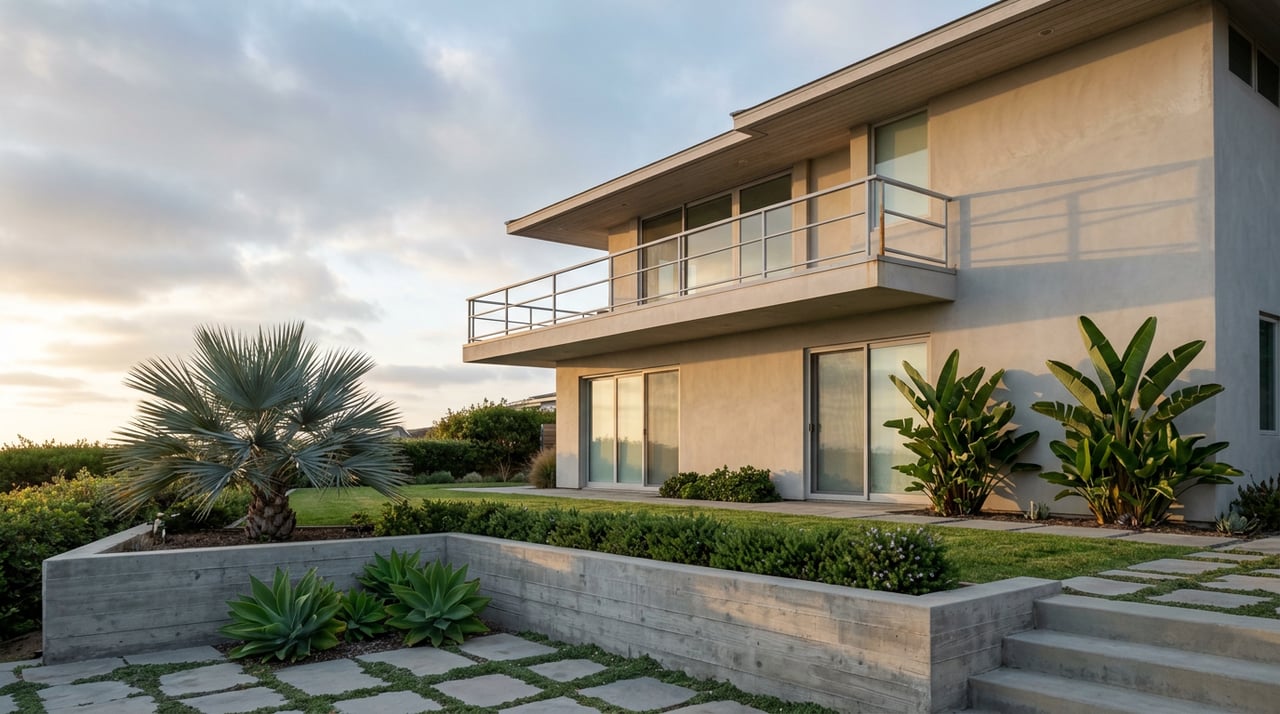
Orange Hills offers a very different setting. It is generally known for hillside homes, scenic views, cul-de-sacs, and a quieter, more residential feel. Market sources describe the area as view-oriented, with a more private and at times semi-rural atmosphere compared with the city’s historic center.
The lifestyle here is less about walking to coffee or dinner and more about having room to spread out. Listings in Orange Hills often highlight canyon views, city-light views, privacy, horse trails, and larger outdoor areas. For buyers who want a calmer setting and a stronger indoor-outdoor feel, that distinction matters.
Lifestyle differences that shape your choice
Old Towne favors walkability
Old Towne fits buyers who want to be close to activity. The neighborhood’s layout and amenities support a lifestyle centered on local shops, dining, community events, and civic destinations. You may trade some privacy and lot size, but you gain a setting where many daily outings feel close at hand.
This area can also appeal to buyers who value historic character. The streetscape, older homes, and downtown setting create a sense of place that feels very different from a newer tract neighborhood. If charm and centrality are high on your list, Old Towne stands out.
Orange Hills favors space
Orange Hills is often a better fit if you want a quieter backdrop for daily life. Homes here are more likely to offer extra garage space, larger yards, or view lots. Instead of a compact downtown experience, you get a more spread-out residential environment.
That setting also lines up well with buyers who enjoy outdoor access. Nearby regional parks include Irvine Regional Park and Peters Canyon Regional Park, both of which offer trails for hiking, biking, and equestrian use. If open space is part of your routine, Orange Hills may feel more natural.
Housing stock and home style
Old Towne homes are historic and varied
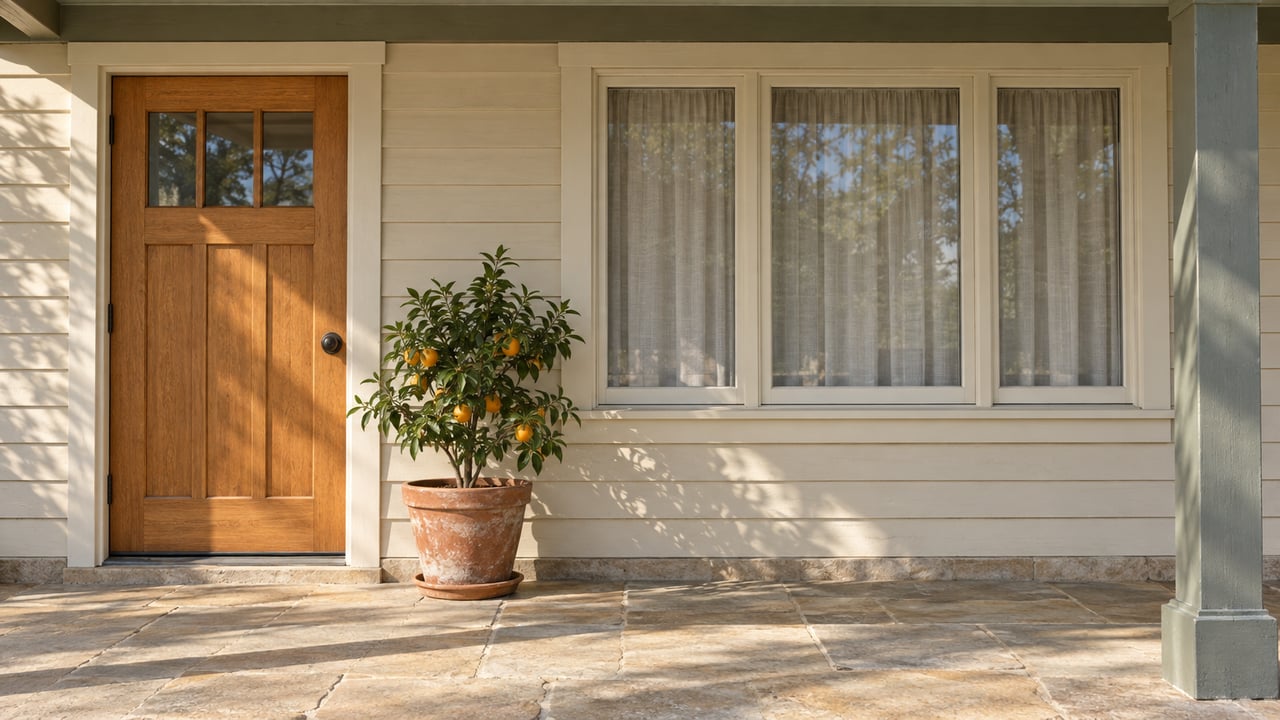
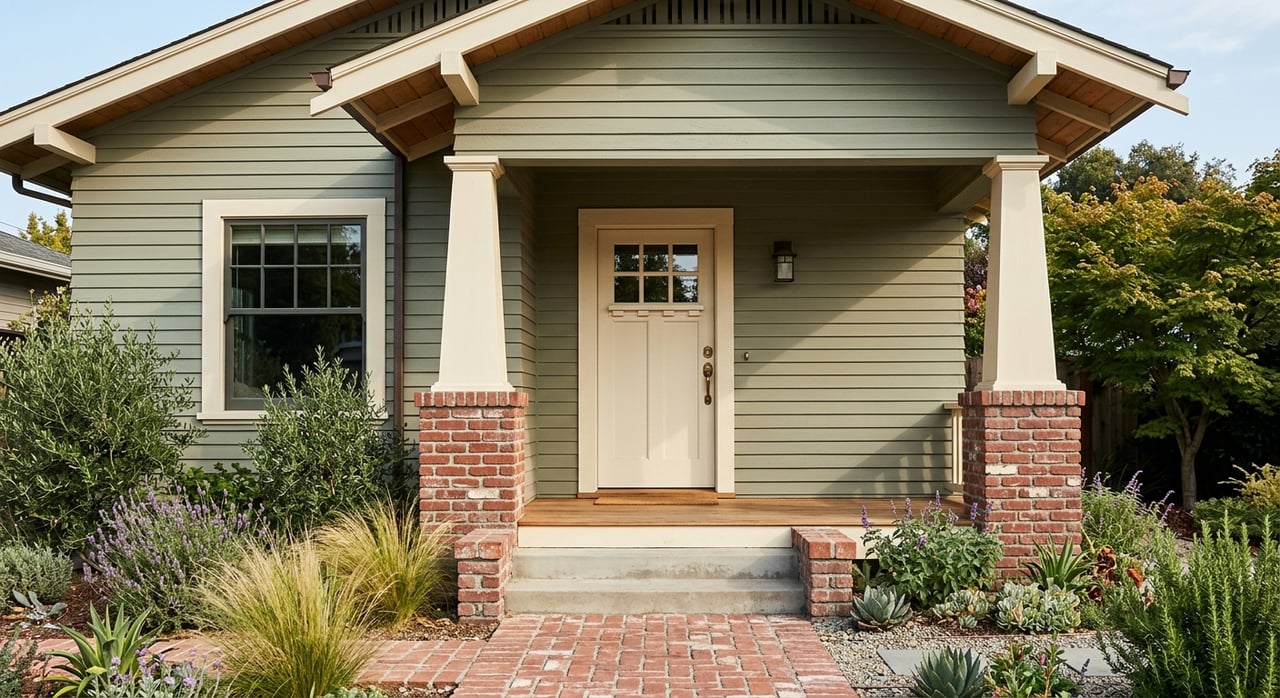
Old Towne’s housing story starts with history. The City of Orange says the earliest buildings date to the 1880s, and many original properties still retain their historic integrity. That means the neighborhood offers a mix of older architecture and homes with details you do not always find in later-built communities.
The housing pattern also reflects the original townsite. According to the city’s General Plan, the town grew outward from Plaza Park, with lot sizes becoming progressively larger away from the center. In practice, that often means a denser, more varied housing mix near the core, with examples including early-1900s and 1918-era homes on lots around 6,500 to 7,300 square feet.
Orange Hills homes are newer and broader in range
Orange Hills developed later and reads as more suburban in form. Neighborhood sources describe homes there as ranging roughly from the late 1970s through the 2000s, with both attached homes and single-family homes in the mix. Listings also show a wide span of property types, including condos, townhomes, ranch-style homes, and custom view residences.
Lot size is one of the biggest differences. In Orange Hills, parcels can range from typical suburban lots to half-acre sites and, in some cases, up to 3 acres. If you want more usable outdoor space, extra separation from neighbors, or a property with view potential, Orange Hills generally gives you more options.
Historic rules versus remodeling flexibility
Old Towne comes with preservation standards
For some buyers, Old Towne’s historic status is part of the appeal. For others, it is an important practical consideration. The City of Orange states that exterior work in the historic district is governed by Historic Preservation Design Standards, which can affect windows, doors, additions, demolition, and other remodeling decisions.
Those rules are worth understanding before you buy. For example, vinyl windows are prohibited in the historic district. If you love the character of an older home but know you want to make major exterior changes, you will want to review those standards carefully.
Orange Hills may suit value-add buyers better
Orange Hills does not carry the same historic district overlay described for Old Towne. That can make it easier to focus on layout updates, cosmetic improvements, or broader renovation planning without the same preservation framework. Buyers who see opportunity in reworking a kitchen, expanding outdoor living, or improving a view-facing property may find that flexibility appealing.
This is one area where practical property analysis matters. If you are comparing two homes at similar price points, the long-term upside may depend as much on renovation potential and lot utility as it does on square footage alone.
Commute and daily convenience
Old Towne offers central access
If your routine includes commuting or frequent local errands, Old Towne has a strong convenience story. The neighborhood is connected to the Orange Metrolink Station and several major freeways, including the 22, 57, 55, and 5. That combination can be useful if you want multiple ways to move around Orange County.
The neighborhood’s amenity base also helps reduce drive time for some daily activities. Restaurants, shops, community events, and civic uses are all part of the area’s identity. For buyers who like an active, central setting, that convenience can outweigh the tradeoff of smaller lots.
Orange Hills is more car-oriented
Orange Hills is typically more auto-oriented in daily life. Listings point to access to the 55 and 91 freeways and toll roads, which can still make regional travel manageable. But compared with Old Towne, the experience is usually less about walking nearby and more about driving from a residential enclave to your destinations.
That said, some buyers prefer exactly that separation. If you want your home environment to feel removed from commercial activity, Orange Hills may better match your priorities. It often delivers a stronger sense of retreat at the end of the day.
School attendance areas to verify
Both neighborhoods are generally served by Orange Unified School District, but attendance areas should be confirmed by address. The district provides a school locator, school-boundary resources, and feeder information for that purpose. Because boundaries can vary even within the same broader area, it is important not to assume a school assignment based on a neighborhood name alone.
Representative listings in Old Towne have shown assignments such as Palmyra Elementary, Yorba Middle, and Orange High. In Orange Hills, listings have shown more than one pattern, including Nohl Canyon Elementary, Cerro Villa Middle, and Villa Park High for some homes, and Esplanade Elementary, Santiago Middle, and El Modena High for others. The key takeaway is simple: verify the address directly through the district before making a decision.
Price differences and value tradeoffs
Recent market data shows a meaningful pricing gap between the two neighborhoods. Redfin’s March 2026 market pages reported a median sale price of $1.49 million in Old Towne, compared with $1.15 million in Orange Hills. On a price-per-square-foot basis, Old Towne was reported at $792 per square foot versus $643 per square foot in Orange Hills.
For context, the citywide median in Orange was reported at $1.25 million and $649 per square foot. In simple terms, Old Towne often commands a premium for history, walkability, and central location. Orange Hills often gives you more land and view potential for the money, though top-tier view estates can still exceed neighborhood medians by a wide margin.
Which neighborhood fits you best?
If you picture yourself near restaurants, community events, and a distinctive historic downtown setting, Old Towne Orange may be the better fit. It tends to suit buyers who are comfortable with smaller lots and who appreciate the tradeoff that comes with owning in a historic district. The premium you pay is often tied to character and location as much as the home itself.
If you picture yourself with more privacy, more outdoor space, and a quieter hillside setting, Orange Hills may make more sense. It tends to suit buyers who want a residential feel with room to breathe, plus access to trails, parks, and view-oriented properties. The value proposition is often about land, flexibility, and a more relaxed daily rhythm.
The right choice depends on how you want your home to function for you. If you want help comparing specific homes in Old Towne Orange or Orange Hills, the Teicheira Team can help you evaluate location, property condition, renovation potential, and long-term value with a clear strategy.
FAQs
What is the main lifestyle difference between Old Towne Orange and Orange Hills?
- Old Towne Orange offers a more walkable, historic downtown lifestyle near shops, restaurants, events, and transit, while Orange Hills offers a quieter hillside setting with more privacy, views, and outdoor space.
Are homes in Old Towne Orange older than homes in Orange Hills?
- Yes. Old Towne includes homes dating back to the 1880s and many early-1900s properties, while Orange Hills generally features later-built homes from around the late 1970s through the 2000s.
Do Old Towne Orange homes have historic remodeling restrictions?
- Yes. Exterior work in the historic district is governed by Historic Preservation Design Standards, which can affect items like windows, doors, additions, and demolition.
Is Orange Hills usually more affordable than Old Towne Orange?
- Based on March 2026 Redfin neighborhood market pages, Orange Hills had a lower median sale price and lower median price per square foot than Old Towne Orange.
Which area in Orange offers larger lots, Old Towne or Orange Hills?
- Orange Hills generally offers larger lots and more outdoor space, while Old Towne typically offers smaller lots in exchange for historic character and a central location.
How do you verify school assignments in Old Towne Orange or Orange Hills?
- Use the Orange Unified School District school locator and boundary resources to confirm attendance by specific property address.
Thinking about buying or selling in Orange? Explore our Orange, CA real estate guide for neighborhood insights and homes for sale, or connect with the Teicheira Team, your local Orange realtors.